

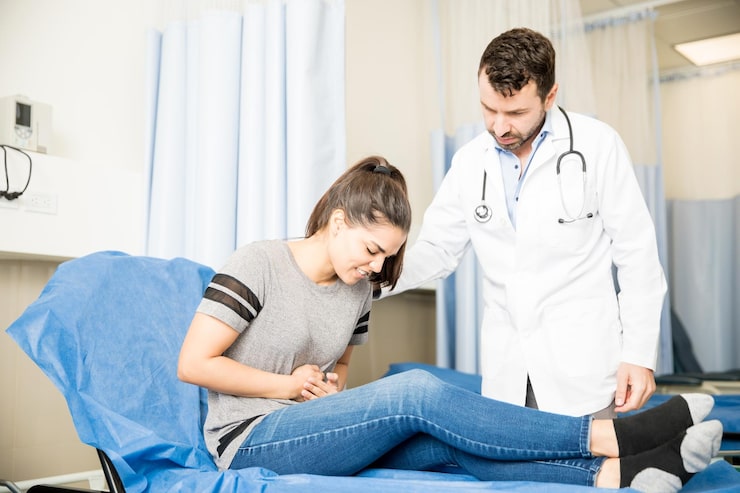
Digestive health plays a central role in overall well-being. From nutrient absorption to immune system support, the gastrointestinal system affects nearly every aspect of daily life. Yet many digestive conditions develop silently, showing mild or vague symptoms in the early stages.
That is why endoscopy has become one of the most important diagnostic tools in modern medicine. Through diagnostic endoscopy testing in Dubai, residents can detect digestive disorders early, receive accurate diagnoses, and begin timely treatment.
Healthcare institutions such as Cleveland Clinic Abu Dhabi provide comprehensive UAE gastrointestinal diagnostic services, offering advanced testing and expert evaluation to support long-term digestive health.
This guide explains what endoscopy is, how it works, when it is needed, and why early testing matters.
1. Understanding Endoscopy as a Diagnostic Test
Endoscopy is a minimally invasive medical procedure used to examine the inside of the digestive tract. It involves a thin, flexible tube called an endoscope, which has a small camera and light attached to its tip. This device allows doctors to view real-time images of internal organs on a monitor.
Unlike traditional surgical methods, endoscopy does not require large incisions. Instead, the endoscope is inserted through natural openings such as the mouth or rectum, depending on the area being examined.
Endoscopy is primarily used for diagnostic purposes, including:
- Investigating persistent abdominal pain
- Evaluating chronic heartburn or acid reflux
- Identifying unexplained bleeding
- Detecting ulcers or inflammation
- Screening for polyps or early cancer
Because it provides direct visualization, endoscopy is far more accurate than imaging tests alone in many gastrointestinal cases.
In Dubai and across the UAE, access to modern diagnostic technology has significantly improved early detection rates of digestive diseases.
2. Different Types of Endoscopy Procedures
There are several types of endoscopy procedures, each designed to examine a specific part of the digestive system.
Upper Endoscopy (EGD)
This procedure examines the:
- Esophagus
- Stomach
- Upper part of the small intestine
It is commonly used to diagnose acid reflux disease (GERD), ulcers, gastritis, and swallowing disorders.
Colonoscopy
Colonoscopy focuses on the colon and rectum. It is widely recommended as a screening tool for colorectal cancer, especially for individuals over 45–50 years of age.
During a colonoscopy, doctors can:
- Remove polyps
- Take tissue samples (biopsies)
- Identify inflammation or bleeding
Capsule Endoscopy
Capsule endoscopy involves swallowing a small, pill-sized camera that captures thousands of images as it travels through the digestive tract. It is particularly useful for examining areas that are difficult to reach with traditional scopes.
Each procedure serves a different purpose, but all contribute to comprehensive digestive evaluation.
3. Medical Conditions Diagnosed Through Endoscopy
Endoscopy is a powerful diagnostic tool because it allows early identification of a wide range of conditions.
Some of the most common include:
Gastroesophageal Reflux Disease (GERD)
Chronic acid reflux can damage the esophagus over time. Endoscopy helps assess severity and detect complications like Barrett’s esophagus.
Peptic Ulcers
Ulcers in the stomach or small intestine can cause pain and bleeding. Endoscopy allows doctors to locate and sometimes treat them during the procedure.
Colon Polyps
Polyps are small growths in the colon that may develop into cancer if left untreated. Early detection and removal significantly reduce cancer risk.
Inflammatory Bowel Disease (IBD)
Conditions such as Crohn’s disease and ulcerative colitis require direct visualization for accurate diagnosis.
Gastrointestinal Cancers
Early-stage stomach or colorectal cancer often shows minimal symptoms. Endoscopy improves early detection, which increases survival rates and reduces treatment complexity.
Access to structured screening programs in Dubai has made early diagnosis more achievable for residents.
4. Preparation, Procedure, and Recovery Process
Understanding what to expect reduces anxiety and encourages timely testing.
Preparation
Preparation depends on the type of endoscopy:
- Fasting for several hours before upper endoscopy
- Bowel preparation (laxatives and dietary adjustments) before colonoscopy
- Temporary medication adjustments if required
Following preparation instructions carefully ensures accurate results.
During the Procedure
Most endoscopy procedures:
- Use mild sedation for comfort
- Take 20–60 minutes
- Include continuous monitoring of vital signs
Patients typically feel minimal discomfort due to sedation and advanced equipment.
Recovery
After the procedure:
- Patients rest briefly under supervision
- Mild bloating or throat irritation may occur
- Normal activities usually resume within 24 hours
Medical teams provide detailed post-procedure instructions and follow-up guidance.
Modern facilities such as Cleveland Clinic Abu Dhabi prioritize patient safety, hygiene, and comfort throughout the entire process.
5. The Importance of Early Digestive Diagnostic Testing in Dubai
Dubai’s fast-paced urban environment often contributes to digestive stress. Common lifestyle factors include:
- Processed and high-fat diets
- Long working hours
- High stress levels
- Limited physical activity
- Irregular eating schedules
These factors increase the risk of digestive disorders over time.
Early diagnostic testing offers several important benefits:
Early Disease Detection
Many serious conditions develop silently. Screening identifies problems before symptoms worsen.
Reduced Treatment Complexity
Early-stage conditions are often easier and less expensive to treat.
Prevention of Cancer
Removing precancerous polyps significantly lowers colorectal cancer risk.
Peace of Mind
Normal results provide reassurance and reduce unnecessary anxiety.
Preventive healthcare is becoming a priority in the UAE, with growing public awareness about routine screening and diagnostic evaluation.
Addressing Common Concerns About Endoscopy
Despite its benefits, some people hesitate to undergo endoscopy due to misconceptions.
“Is it painful?”
With modern sedation techniques, most patients experience little to no pain.
“Is it risky?”
Endoscopy is considered safe when performed by trained specialists. Complications are rare.
“Do I really need it if I feel fine?”
Some conditions, including polyps and early cancers, may not cause noticeable symptoms initially.
Education and awareness are essential to encourage timely testing.
Integrating Lifestyle and Diagnostic Care
While endoscopy is critical for diagnosis, lifestyle habits also play an important role in digestive health.
Residents can reduce risk by:
- Eating fiber-rich foods
- Staying hydrated
- Exercising regularly
- Managing stress
- Avoiding smoking
- Limiting excessive processed food intake
However, lifestyle alone cannot replace diagnostic testing. A balanced approach that combines prevention and screening provides the strongest protection.
Conclusion
Endoscopy is one of the most valuable tools in modern digestive diagnostics. It allows doctors to detect, evaluate, and sometimes treat gastrointestinal conditions early and effectively.
Through access to diagnostic endoscopy testing in Dubai, residents can take control of their digestive health and reduce long-term risks.
Comprehensive UAE gastrointestinal diagnostic services offered by institutions such as Cleveland Clinic Abu Dhabi ensure high standards of safety, accuracy, and patient care.
Prioritizing early diagnostic testing is not just about addressing symptoms — it is about protecting long-term health and well-being.