

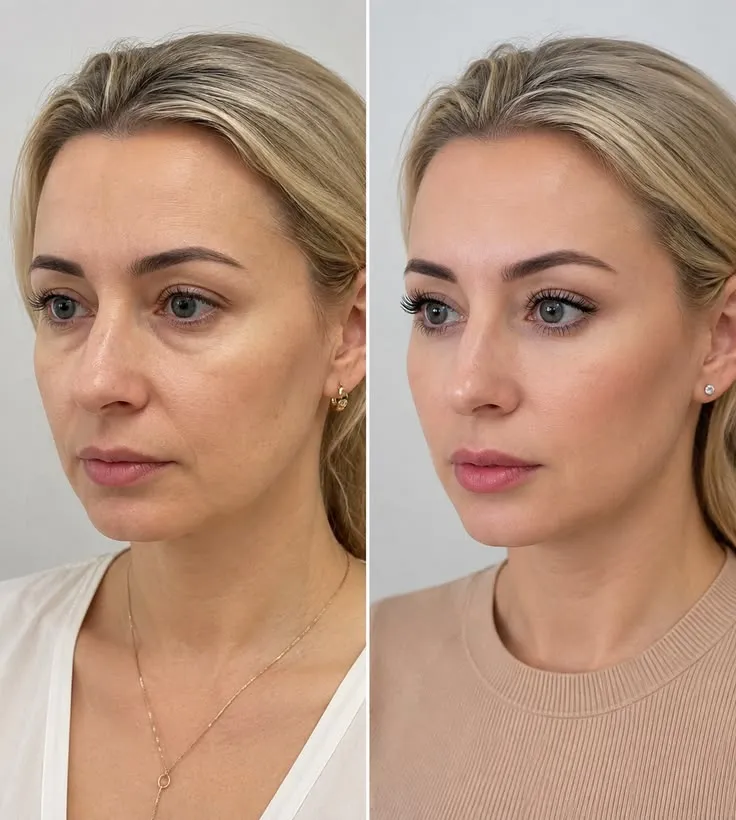
Facial appearance naturally changes over time as skin elasticity, underlying fat distribution, and bone structure evolve. Some people notice reduced cheek fullness, while others become concerned about changes around the jawline or temples. These differences can influence which aesthetic treatment is appropriate. Professional facial balancing uses carefully selected injectable fillers to address certain concerns involving facial proportions and volume. Other treatments encourage gradual collagen production instead. Understanding these approaches allows individuals to consider their options without assuming that every visible change requires the same solution.
Understanding Facial Volume Changes
The face consists of several interconnected structures, including skin, muscle, fat, and bone. Natural aging can change the relationship between these tissues, creating differences in fullness, contours, and visible folds. Genetics and previous weight changes may also influence facial appearance.
Not every perceived imbalance requires treatment. Natural asymmetry is common, and individual preferences vary considerably. A consultation should begin with a discussion of specific concerns rather than an assumption that facial features need correction to meet a particular beauty standard.
The Role of Hyaluronic Acid Fillers
Hyaluronic acid fillers are injectable products designed to add volume in selected areas. Depending on the product and treatment plan, they may be used to enhance cheek contours, address certain folds, or support the appearance of facial proportions.
Filer Wellness Center describes using RHA and Restylane fillers for customized facial treatments. Results are generally visible soon after placement, although swelling may temporarily affect appearance. The duration varies according to the product, treatment area, and individual characteristics.
Gradual Improvement Through Collagen Stimulation
Unlike conventional hyaluronic acid fillers, sculptra contains poly-L-lactic acid, commonly abbreviated PLLA. It is an injectable treatment intended to stimulate collagen production and gradually improve certain age-related facial volume concerns.
Results develop over weeks or months rather than appearing fully formed immediately. A series of appointments may be recommended depending on individual circumstances and the product’s approved uses. Patients should understand that the treatment does not produce identical results for everyone and requires careful professional administration.
Comparing Treatment Timelines and Expectations
Treatment timing is an important difference between these approaches. Hyaluronic acid fillers can produce relatively immediate volume changes, although the final appearance should be assessed after temporary swelling settles. Collagen-stimulating injectables require more patience because visible improvements develop progressively.
Neither option is universally better. The appropriate choice depends on facial anatomy, medical history, desired results, and willingness to attend follow-up appointments. Individuals should avoid choosing a procedure solely because it is popular or appears frequently in promotional photographs.
Important Safety Questions Before Treatment
Injectable aesthetic procedures involve medical risks despite not requiring surgery. Temporary bruising, redness, tenderness, and swelling can occur. More serious complications are also possible, including infection, nodules, and unintended injection into a blood vessel, which may cause tissue damage or vision loss.
Before treatment, discuss the following concerns with a qualified injector:
-
Relevant medical conditions and medications.
-
Previous injectable treatments and complications.
-
Product selection and approved treatment areas.
-
Expected recovery and possible side effects.
-
Procedures for managing urgent complications.
A responsible provider should explain risks clearly and obtain informed consent.
Considering Maintenance and Long-Term Planning
Hyaluronic acid fillers gradually break down, although longevity varies across products and treatment areas. Patients may choose follow-up treatment depending on their preferences. Repeated injections should not be scheduled automatically without reassessing the existing result.
Collagen-stimulating treatments may provide effects lasting considerably longer, but results still vary and are not permanent. Maintenance decisions should consider medical suitability, cost, and personal satisfaction. A conservative approach helps avoid unnecessary procedures when the original treatment has already achieved the desired improvement.
Preserving Personal Expression and Natural Features
Cosmetic consultations should respect the individual’s preferences and natural anatomy. Some patients want subtle restoration of lost volume, while others are interested in enhancing a particular feature. These goals can lead to different treatment recommendations.
The objective should not be to reproduce another person’s face. Photographs may help communicate preferences, but anatomy determines what can realistically and safely be achieved. Professional guidance should emphasize proportion, appropriate product placement, and informed choices rather than dramatic transformations or guaranteed symmetry.
Conclusion
Facial aesthetic treatments offer different approaches to volume restoration and contour enhancement. Hyaluronic acid fillers provide relatively immediate changes, while collagen-stimulating injectables work more gradually. Understanding these differences, together with potential complications and maintenance requirements, helps patients make informed decisions. Adults considering injectable treatments in Pittsburgh can review available services through filerwellness.com and arrange a consultation with a qualified provider. Individual anatomy, realistic expectations, and medical safety should guide every treatment plan.