

Medical imaging has advanced to provide highly detailed views of the body without invasive procedures, and diffusion weighted MRI is one such technique used widely for early detection and diagnosis. It focuses on how water molecules move within tissues, offering valuable insight into conditions like stroke, tumors, and infections. This guide helps you learn how safe diffusion weighted MRI is, when it is recommended, and what precautions are important before undergoing the scan.
What Diffusion Weighted MRI Involves
Diffusion weighted MRI, often referred to as DWI, is a specialized form of magnetic resonance imaging that measures the movement of water molecules within tissues. Unlike standard imaging, it highlights areas where this movement is restricted, which can indicate abnormal cell activity. This makes it especially useful in detecting early stroke, brain injuries, and certain cancers.
The scan uses strong magnetic fields and radio waves instead of radiation. This key difference makes it safer compared to imaging methods like CT scans that involve ionizing radiation. DWI is usually performed as part of a routine MRI session and does not require additional invasive steps. It provides highly sensitive results that help doctors make faster and more accurate decisions in urgent situations.
Why This Scan Is Considered Safe for Most People
Diffusion weighted MRI is generally considered safe because it does not expose the body to harmful radiation. The technology relies on magnetic fields, which do not carry the same risks as X rays or CT imaging. For most individuals, the procedure is painless and does not cause long term side effects.
Another reason for its safety is that DWI often does not require contrast injection. This reduces the risk of allergic reactions or complications associated with contrast agents. In many cases, the scan can be completed without any medication, making it suitable even for patients who need repeated imaging over time.
However, safety also depends on proper screening before the scan. Patients are asked about metal implants, medical devices, or previous surgeries. This ensures that the magnetic field does not interfere with any internal equipment. When these checks are followed carefully, the procedure remains low risk and reliable.
Who Can Safely Undergo Diffusion Weighted MRI
General Population and Adults
Most adults can safely undergo DWI without complications. It is commonly used in emergency settings, such as suspected stroke, where quick and accurate imaging is essential. The absence of radiation makes it suitable for repeated use if needed.
Pregnant Women
MRI is generally considered safe during pregnancy, especially when contrast is not used. Diffusion weighted imaging can be performed when medically necessary, particularly in urgent conditions. Doctors carefully evaluate the need before recommending the scan.
Children and Infants
DWI is also used in pediatric care to assess brain development or detect conditions early. Since it does not involve radiation, it is safer for children compared to other imaging methods. In some cases, mild sedation may be used to keep the child still during the scan.
Situations Where Extra Caution Is Required
While diffusion weighted MRI is safe for most people, certain conditions require careful evaluation before proceeding.
- Presence of pacemakers or implanted electronic devices that may interact with magnetic fields
- Metal implants such as clips, stents, or prosthetics that are not MRI compatible
- Severe claustrophobia, which may make it difficult to stay inside the scanner
- Kidney issues if contrast is considered in combined MRI procedures
- Recent surgeries where internal devices or materials are present
In these situations, doctors assess risks and may recommend alternative imaging or modified procedures to ensure safety.
How the Procedure Is Conducted
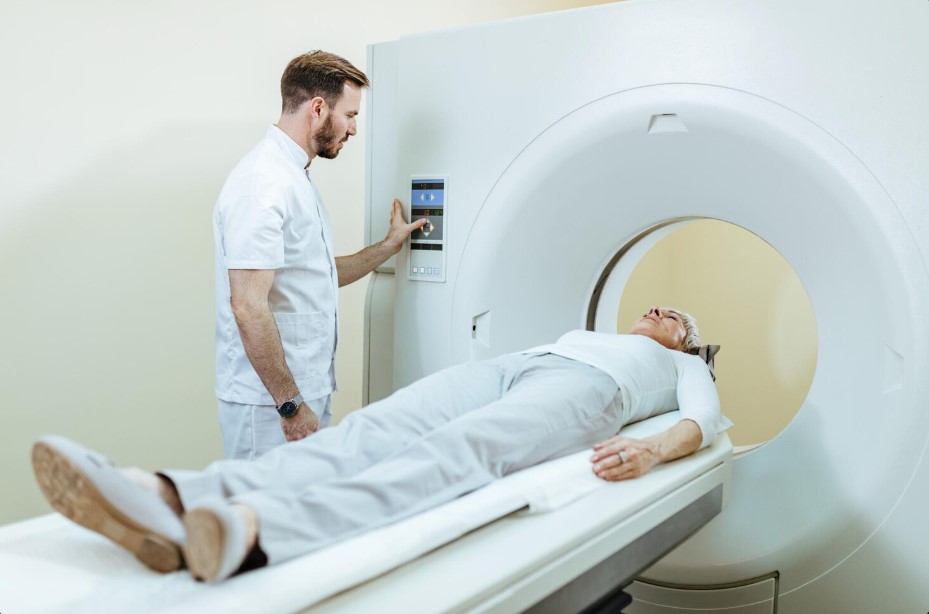
The scan is performed in an MRI machine where the patient lies on a table that slides into a tunnel like structure. The machine produces loud tapping sounds as it captures images. Patients are usually given ear protection and asked to remain still for accurate results.
The diffusion weighted sequence is part of the overall MRI scan and does not significantly increase the duration. Most scans take between 20 to 45 minutes depending on the area being examined. There is no pain involved, although some individuals may feel slight discomfort due to lying still.
After the scan, there is no recovery time needed, and normal activities can be resumed immediately. Results are reviewed by a radiologist and shared with the treating doctor for further evaluation.
Cost and Accessibility
In the UAE, diffusion weighted MRI is usually included as part of a standard MRI scan, with costs ranging from AED 800 to AED 2000 depending on the body area and facility. Insurance may cover the scan when medically necessary. Advanced imaging centers are widely available, making access convenient for both routine and emergency cases.
Benefits of Diffusion Weighted MRI in Diagnosis
Diffusion weighted MRI offers several advantages that support accurate and timely diagnosis. Its ability to detect subtle changes at an early stage makes it a valuable tool in modern healthcare.
- Identifies early stroke within minutes of onset, improving treatment outcomes
- Detects tumors and infections by highlighting abnormal tissue behavior
- Helps differentiate between types of lesions for better diagnosis
- Supports monitoring of treatment response over time
- Provides detailed imaging without exposing patients to radiation
These benefits contribute to safer and more effective medical decision making.
Addressing Common Concerns About Safety
Many people feel anxious before undergoing an MRI due to the enclosed space or unfamiliar environment. However, understanding the process helps reduce fear. The scan is closely monitored by trained professionals, and communication is maintained throughout the procedure.
The magnetic field used in MRI does not remain in the body after the scan, and there is no cumulative exposure risk. For individuals concerned about noise or claustrophobia, open MRI options or mild sedation can be considered. These measures ensure that the experience remains comfortable while maintaining safety standards.
Role of Medical Guidance Before the Scan
Before undergoing diffusion weighted MRI, patients are asked to provide detailed medical history. This includes information about implants, allergies, and previous imaging experiences. Proper screening helps identify any potential risks and ensures that the scan is performed safely.
Doctors may also explain the purpose of the scan and how it fits into the overall diagnosis or treatment plan. This guidance helps patients feel more prepared and confident. Following instructions before and during the scan improves image quality and reduces the need for repeat procedures.
Choosing Right Imaging Approach for Safe Diagnosis
Choosing right imaging approach for safe diagnosis involves balancing accuracy, safety, and clinical need. Diffusion weighted MRI offers a reliable and low risk option for detecting critical conditions without radiation exposure. With proper screening and medical guidance, it provides valuable insights while maintaining patient safety, making it an important tool in modern diagnostic care.